
Class IV Laser Therapy & Disc Herniation
Herniated Disc: What Your MRI Isn't Telling You
You got the MRI. You saw the bulge. You were told to rest, avoid lifting, and consider surgery if it doesn't improve. But what if the disc isn't the real problem — and nobody has looked for what is?
The Pattern
The Fear Trap That Keeps You Stuck After a Disc Diagnosis
It usually starts with a flare. A sharp catch in the low back, maybe radiating into the glute or down the leg. You see your doctor, get an MRI, and there it is on the screen — a disc bulge, a disc herniation, maybe the phrase "disc extrusion" in the report. The radiologist writes it up in clinical language that sounds catastrophic. Your doctor looks at the image, points to the bulge, and tells you to rest. Avoid bending. Avoid lifting. Stop doing anything that might "make it worse." And if it does not improve in six to eight weeks, surgery might be on the table.
So you rest. You stop training. You stop picking up your kids. You sit in positions that feel safe, avoid every movement that feels threatening, and spend hours on the internet reading about disc herniations — each article more terrifying than the last. You develop a mental model of your spine as a fragile, damaged structure that could "slip" or "go out" at any moment. Fear takes over. And the longer you rest, the weaker you get. The weaker you get, the more things hurt. The more things hurt, the more you rest. It is a vicious cycle — and nobody told you that the cycle itself is usually worse than the disc.
Here is what nobody told you: rest does not fix discs. It deconditions them. The intervertebral disc is a living, load-adapted tissue. It needs movement and progressive loading to heal, to maintain hydration, and to stimulate the biological processes that drive repair. Removing load from a disc does not protect it — it starves it. And the muscles, ligaments, and neural structures that surround the disc begin to atrophy and sensitize when you stop moving. Within weeks of rest, you do not just have a disc problem. You have a disc problem layered on top of deconditioning, fear-avoidance behavior, neural sensitization, and core instability — all of which hurt and all of which amplify each other.
If you are in Reno or Sparks and you have been resting, avoiding, and fearing your herniated disc for weeks or months without meaningful improvement, the problem is not that you are not resting hard enough. The problem is that rest was never the answer — and nobody gave you a better one.
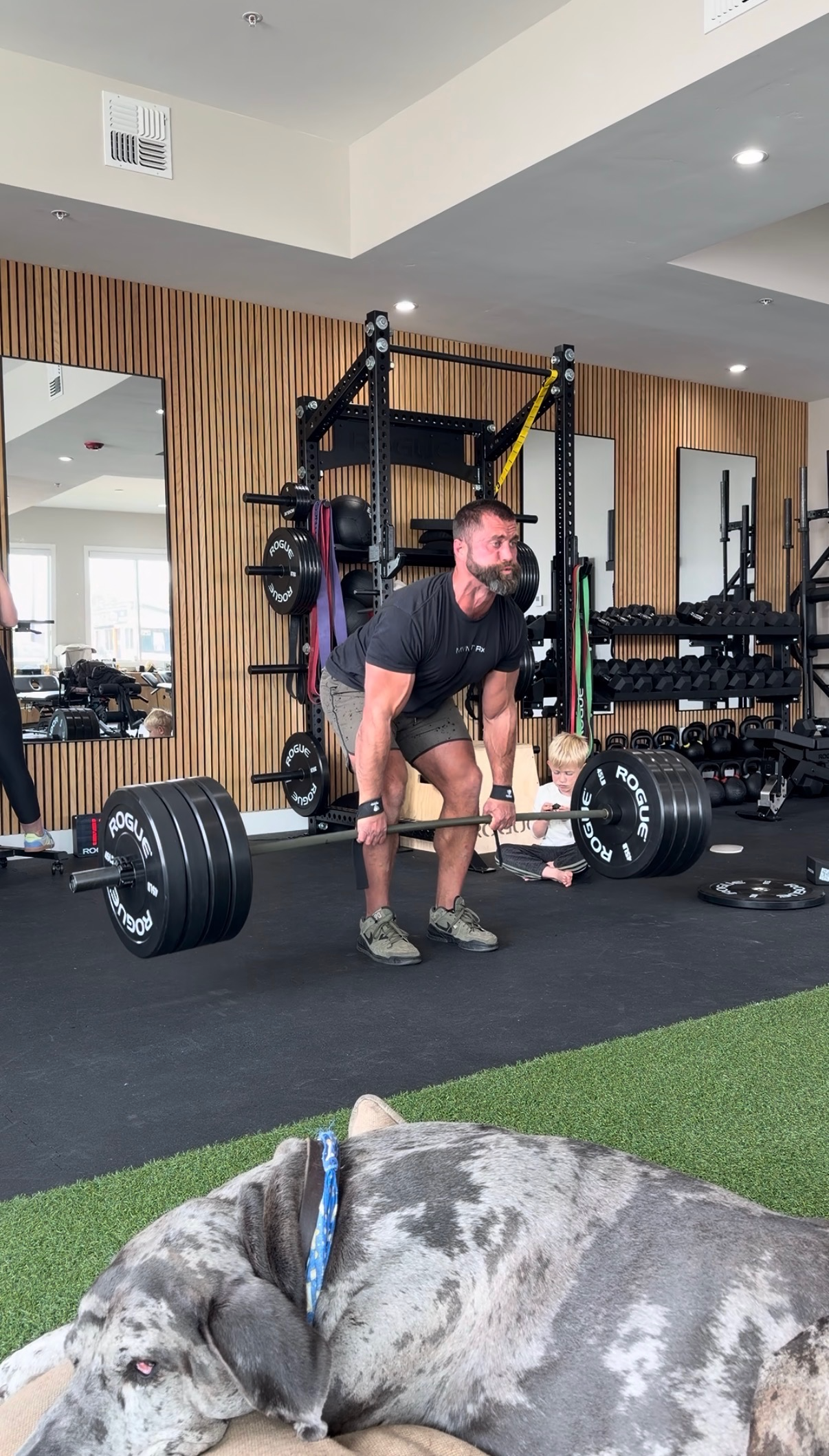
A personal note from Dr. Kyle: About ten years ago, I injured my back doing heavy barbell cleans. The primary care doctor ordered an X-ray, referred me to a spine orthopedist, and the surgeon spent all of 60 seconds with me before ordering an MRI. When the results came back, I was told I had Degenerative Disc Disease and multiple disc herniations that would require surgery. He also told me I should never Olympic weightlift again — and no deadlifts, no exercises that placed excessive stress on my spine.
For whatever reason, that did not sit right with me. So I asked him: "How do you know my imaging wouldn't have looked like this before the injury?" The surgeon went silent for a moment. Then he said, "Well... I suppose I don't."
I asked him how he could justify surgically fixing structural findings that may have existed all along. He was honest with me — he said the likelihood of complete resolution with progressive rehab was high, but that most people want a quick fix, and quick fixes often lead to multiple subsequent surgeries.
I opted for progressive rehabilitation. Ten years later, I have never looked back. I have never felt better. That experience is a major reason MVMT Rx exists — and why we approach disc herniations the way we do.
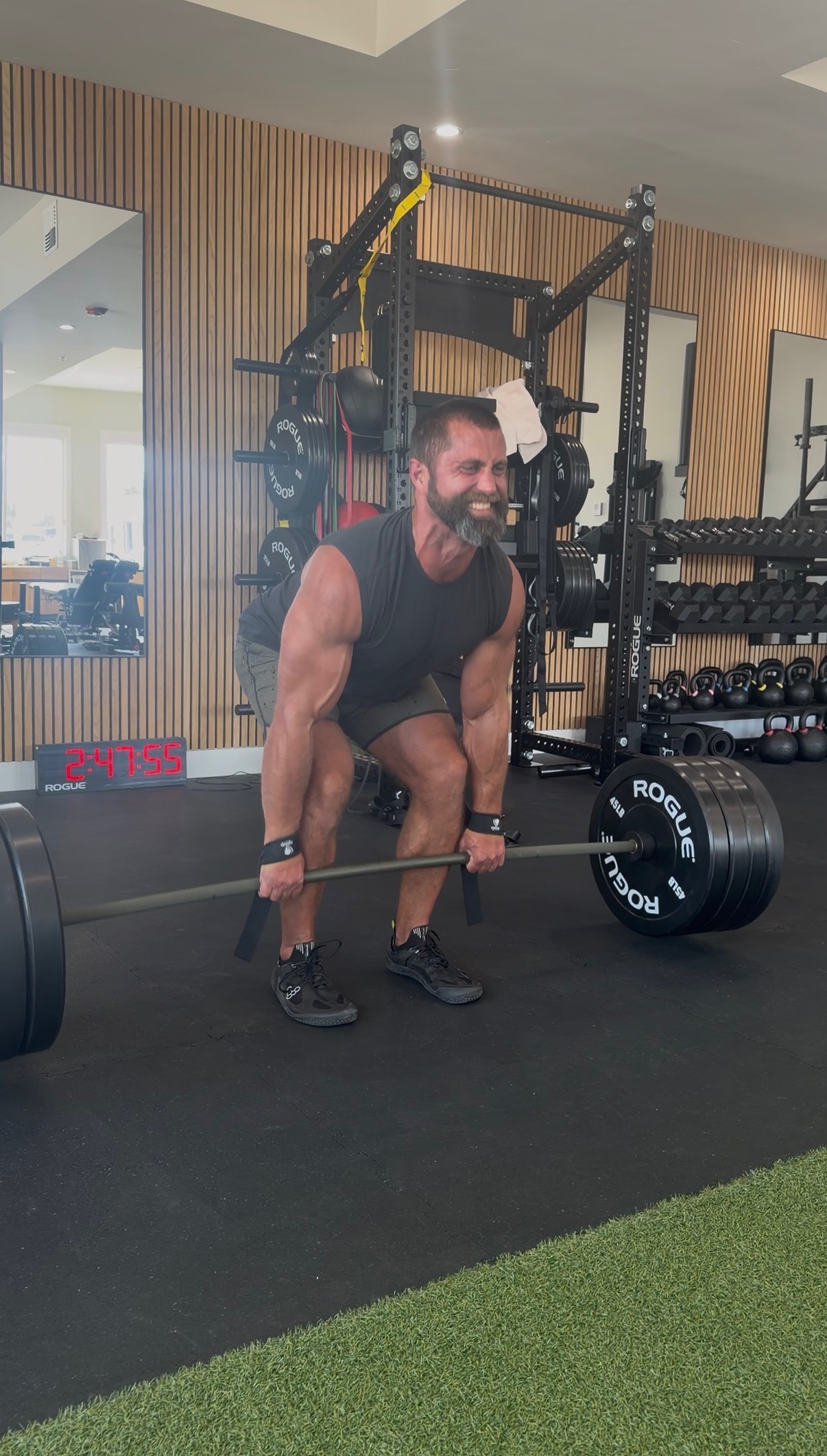
Ten years after a surgeon said "never lift again." 405 pounds and smiling.
Common experiences patients describe before finding MVMT Rx: sharp low back pain radiating into the buttock or leg after an MRI showing a disc herniation, being told to avoid bending and lifting and to rest until it improves, worsening stiffness and deconditioning from weeks or months of inactivity, fear of exercise and loading because the MRI showed structural damage, sciatic pain or numbness that was treated with medication alone, failed rounds of passive physical therapy with hot packs and ultrasound, being told surgery is the next step after conservative care fails, difficulty sitting for more than 20 minutes without increasing pain, the growing belief that the spine is fragile and permanently damaged, and the frustration of watching your fitness and quality of life erode while waiting for the disc to "heal on its own."
What the Evidence Says
Why Your MRI Is Telling You a Story — Not the Full Truth
The assumption behind most herniated disc treatment is that the disc bulge on MRI is the source of pain, and that the bigger the bulge, the worse the problem. The research does not support this. A landmark 2015 systematic review by Brinjikji et al. in the American Journal of Neuroradiology examined MRI findings in thousands of pain-free individuals and found that disc herniations are present in over 30% of asymptomatic 20-year-olds, and that number climbs steadily with age — reaching 84% of asymptomatic 80-year-olds.[1] These are people with confirmed disc herniations on imaging who have zero pain. The disc bulge is there. The symptoms are not. Imaging findings and pain are two very different things.
The second piece of evidence most patients never hear: disc herniations frequently heal on their own. A 2017 systematic review by Zhong et al. found that approximately 66% of disc herniations undergo spontaneous resorption — the body's immune system identifies the extruded disc material as foreign and gradually breaks it down and reabsorbs it over time.[2] The larger the herniation, the more likely it is to resorb. This means that the terrifying-looking extrusion on your MRI has a biological mechanism for self-repair that nobody told you about. You were told to rest and wait — or to consider surgery. The research says your body may be solving the problem already, and what it needs from you is not immobility but the right kind of loading to support the healing process.
Third: the outcomes of surgery versus conservative care converge over time. The SPORT trial — one of the largest and most cited studies in spine research — compared surgical versus non-operative treatment for lumbar disc herniation. While patients who underwent surgery experienced faster initial improvement in some outcomes, by two to four years the outcomes between the surgical and conservative groups converged significantly for many patients.[3] Surgery is not wrong for everyone. But for many patients, it is not offering a better long-term result than a well-designed rehabilitation program — and it comes with risks, costs, and recovery time that conservative care does not.
Fourth: Class IV laser therapy (photobiomodulation) offers a mechanism for reducing pain and inflammation at the cellular level that is particularly relevant for disc herniations. Systematic reviews of photobiomodulation therapy, including work by Chow et al. in The Lancet, have demonstrated that laser therapy produces clinically meaningful reductions in pain and improvements in function for musculoskeletal conditions.[4] The mechanism is direct: photons of specific wavelengths penetrate tissue, stimulate mitochondrial activity, increase ATP production, reduce inflammatory mediators, and accelerate tissue repair. For a herniated disc — where local inflammation, nerve root irritation, and tissue damage are all present — laser therapy provides a non-invasive, evidence-based tool for reducing the chemical environment that is driving pain while supporting the biological healing process that is already underway.
Fifth: the McKenzie Method (Mechanical Diagnosis and Therapy) provides the gold standard assessment for identifying which loading patterns centralize versus peripheralize symptoms in disc patients. Centralization — when repeated movements cause referred leg pain to retreat back toward the spine — is one of the strongest prognostic indicators for a good outcome without surgery.[5] If your symptoms centralize with directional loading, you have a mechanical avenue for self-management that most patients are never assessed for. If nobody has checked your directional preference, a critical piece of information is missing from your treatment plan.
Why the standard approach fails for herniated disc pain: MRI findings are treated as the diagnosis when disc herniations are present in a large percentage of pain-free people, rest and activity avoidance decondition the spine instead of protecting it, most patients are never told that the majority of disc herniations resorb naturally over time, passive treatments like hot packs and ultrasound do not address the mechanical and neuromuscular drivers of symptoms, surgery is presented as the next step when long-term outcomes often converge with conservative care, nobody assesses directional preference to determine whether the patient has a self-management strategy available, fear-avoidance behavior creates deconditioning and neural sensitization that amplify pain beyond the original disc injury, and the inflammatory component — which laser therapy can directly address — is managed only with medication rather than tissue-level intervention.
Looking Deeper
Your Disc Herniation Is Rarely the Whole Story
Here is the clinical reality that changes everything for most disc patients: in the majority of cases, the disc herniation itself is not the primary pain generator. The disc is the event. What drives the ongoing pain — weeks, months, years after the initial injury — is what happened around the disc: the neural sensitization, the core instability, the hip immobility, the deconditioning, and the fear-based movement patterns that developed in response to the diagnosis. Treating the disc without treating these drivers is like putting a band-aid on the match while ignoring the fire.
The most common driver we see is neural sensitization. When a disc herniates, the extruded material can compress or chemically irritate the adjacent nerve root — producing the sharp, radiating pain, numbness, or tingling that patients know as "sciatica." But here is the critical nuance: even after the mechanical compression resolves — whether through natural resorption, positional changes, or surgical intervention — the nerve itself can remain sensitized. A sensitized nerve produces pain signals in response to stimuli that should not be painful: sitting, bending, stretching the leg, or simply existing. This is not a structural problem anymore. It is a nervous system problem. And it will not respond to rest, stretching, or more MRIs. It responds to graded exposure, progressive loading, neurodynamic techniques, and time — all of which require movement, not avoidance.
The second driver is core stability deficits. Through our training in Dynamic Neuromuscular Stabilization (DNS), we assess how well the trunk creates intra-abdominal pressure, how the diaphragm functions as a stabilizer, and whether the deep core system — the transversus abdominis, the multifidus, the pelvic floor, and the diaphragm — is coordinating properly to protect the spine during movement. Most disc patients have significant deficits here. The disc herniated because the spine was loaded beyond its capacity — and if the core cannot create the stabilizing pressure needed to distribute that load safely, the disc and the surrounding structures continue to be overloaded with every movement. DNS restores the foundational stability pattern that most disc patients lost long before the herniation occurred.
The third driver is hip mobility deficits — particularly internal rotation. The lumbar spine and the hips share a direct mechanical relationship, and the research on this is clear. Van Dillen et al. (2008) found that people with low back pain who participate in rotation-related sports had significantly less total hip rotation and greater side-to-side asymmetry than those without pain.[7] Harris-Hayes, Sahrmann, and Van Dillen (2009) demonstrated that hip rotation range of motion and lumbopelvic coordination during hip rotation differ between athletes with and without low back pain — confirming that the hip and the spine do not operate independently.[8] When the hips lack adequate range of motion — particularly in flexion, internal rotation, and extension — the lumbar spine is forced to compensate by moving more than it should. Every time you bend to pick something up, sit down, squat, or get out of a car, the motion has to come from somewhere. If the hips are stiff, the spine takes the load. For a disc that is already irritated, this compensation pattern is fuel on the fire.
This matters enormously for golfers, tennis players, and anyone in a rotation-heavy sport. Vad et al. (2004) studied PGA Tour golfers and found that lead-hip internal rotation deficits and decreased lumbar extension were significantly correlated with a history of low back pain.[9] The mechanism is straightforward: the golf swing demands approximately 60 degrees of hip internal rotation on the lead side. When the hip cannot provide that range, the rotation is forced through the lumbar spine — and directly through the SI joints. The result is repetitive shear loading at the very segments that can least afford it. We see this pattern constantly: the patient presents with a disc herniation or SI joint pain, the imaging shows structural changes at L4-L5 or L5-S1, and nobody has ever checked whether the hips have the rotation to keep the spine out of trouble. Restoring hip internal rotation and overall hip mobility takes compressive and rotational load off the lumbar segments and gives the disc an environment where it can actually heal.
The fourth driver is knee and ankle mobility deficits in the kinetic chain. The spine does not operate in isolation from the lower extremities. When ankle dorsiflexion is restricted — often from old sprains, stiff calves, or prolonged time in rigid footwear — the body compensates upward through the chain. A squat, a lunge, a step down off a curb, or a landing from a jump all require adequate ankle mobility to distribute force properly. Without it, the knees and hips absorb load differently, and the lumbar spine picks up the slack. Similarly, inadequate quadricep strength and force output mean the legs cannot adequately absorb impact during jumping, cutting, landing, or deceleration — and that unabsorbed force travels directly into the spine. For a disc patient, this means that the spine is not just dealing with its own demands — it is compensating for every mobility and strength deficit below it. We assess the entire chain, not just the level that hurts.
The fifth driver is neural tension, nerve tethering, and nerve mobility restrictions. Through clinical neurodynamics — the assessment of how nerves move, glide, and tension through the body — we evaluate whether the sciatic nerve, the femoral nerve, or the nerve roots themselves are restricted in their ability to slide through surrounding tissue.[10] This is especially critical in patients with old disc herniations or prior radiculopathy. When a nerve root has been compressed — even temporarily — the surrounding tissue can develop scar tissue and adhesions that physically tether the nerve in place. A tethered nerve cannot glide freely through its bed the way a healthy nerve does. And when that nerve is stretched during normal movement — bending, sitting, reaching for your shoes — it pulls against its tether instead of sliding, producing pain, tightness, and protective guarding that mimics ongoing disc compression even when the disc has fully healed.
What makes nerve tethering particularly insidious is the chemical environment it creates. Kobayashi et al. (2005) demonstrated that nerve compression causes intraneural edema and breakdown of the blood-nerve barrier — allowing inflammatory mediators to accumulate within the nerve itself.[11] When a nerve is chronically tethered, it develops poor blood flow, impaired axonal transport, and an accumulation of nociceptive chemicals — including Substance P and CGRP (calcitonin gene-related peptide) — both of which are potent pain signaling molecules. Substance P amplifies local inflammation and sensitizes surrounding tissues. CGRP dilates blood vessels around the nerve and intensifies the inflammatory cascade. Together, they create a self-perpetuating pain loop: the tethered nerve cannot move, so it cannot flush waste products, so the chemical irritation builds, so the nerve becomes more sensitive, so the patient avoids movement, so the tethering gets worse. Neurodynamic mobilization — progressive nerve flossing and tensioning techniques — restores the nerve's ability to glide, improves intraneural blood flow, and allows these accumulated waste products to clear. It is one of the most underutilized tools in disc rehabilitation, and it explains why many patients still hurt long after the disc itself has healed.
The sixth driver — and perhaps the most destructive — is deconditioning from fear-avoidance behavior. When patients are told their disc is damaged and they should avoid loading, bending, and exercise, they stop moving. Within weeks, the spinal muscles begin to atrophy. The multifidus — the primary segmental stabilizer of the lumbar spine — is one of the fastest muscles in the body to atrophy after injury and one of the slowest to recover. The longer the avoidance continues, the weaker the spine becomes, the less capacity it has to tolerate load, and the more pain it produces with basic daily activities. The patient attributes this worsening pain to the disc "getting worse" — when in reality, the disc may be stable or improving while the muscles, nerves, and movement patterns around it are deteriorating. The fear creates the fragility.
The seventh consideration is movement pattern dysfunction. How you bend, lift, sit, stand up, and carry objects matters enormously for a spine with a disc herniation. Most disc patients have never been taught how to hip hinge properly, how to brace their core during loading, or how to distribute forces through the kinetic chain so the lumbar spine is not the sole load-bearer. Movement retraining is not about avoiding movement — it is about doing it better.
The eighth piece is segmental hypomobility above and below the herniated level. When one spinal segment herniates, the segments above and below it often become stiff and restricted — either from protective guarding or from compensatory overuse. This forces the injured segment to continue absorbing movement demands that should be shared across multiple levels. Chiropractic adjustments to restore segmental mobility at the thoracolumbar junction, the adjacent lumbar segments, and the sacroiliac joints take mechanical stress off the herniated level and distribute movement more evenly through the spine.
Root causes we commonly find driving persistent herniated disc pain: neural sensitization producing ongoing pain signals after the mechanical disc compression has resolved, nerve tethering and scar tissue from prior disc herniations restricting nerve mobility and trapping inflammatory mediators like Substance P and CGRP, core stability deficits from poor intra-abdominal pressure and diaphragm dysfunction, hip internal rotation deficits forcing the lumbar spine to absorb rotational demands — especially in golfers and rotation-sport athletes, hip mobility restrictions in flexion and extension driving lumbar compensation during bending and lifting, ankle dorsiflexion restrictions and inadequate quadricep force output sending unabsorbed impact forces into the spine, deconditioning and multifidus atrophy from prolonged rest and fear-avoidance behavior, movement pattern dysfunction in bending, lifting, sitting, and transitional movements, segmental hypomobility above and below the herniated level increasing load on the injured segment, thoracolumbar junction restrictions altering spinal load distribution, fear-based beliefs about spinal fragility driving ongoing avoidance and disability, and unresolved local inflammation around the disc and nerve root that responds to photobiomodulation therapy.
A Different Approach
How We Fix Herniated Disc Pain That Nothing Else Has Fixed
At MVMT Rx, we use a clinical reasoning framework called the RAIL System that guides every decision we make — from your first visit through long-term resolution. For herniated disc pain, this framework is what separates a care plan that keeps you resting and avoiding from one that actually rebuilds your spine's capacity and gets you back to the life you stopped living.
Relief — The first priority is reducing pain, calming neural irritation, and creating a mechanical environment where loading can begin. Class IV laser therapy delivers photobiomodulation directly to the inflamed disc, nerve root, and surrounding tissues — reducing inflammatory mediators, stimulating cellular repair, and providing deep tissue pain relief without medication. McKenzie-based directional loading identifies which repeated movements centralize your symptoms — retreating leg pain back toward the spine — giving you a self-management tool from day one. Chiropractic adjustments restore segmental mobility above and below the herniated level, distributing movement demands more evenly through the spine. Nerve flossing and neurodynamic techniques begin restoring the ability of the sciatic or femoral nerve to glide through its surrounding tissue, reducing the neural tension that perpetuates radiating symptoms. Relief matters — but it is the starting line, not the finish.
Adaptation — Once the acute neural irritation is managed and directional preference is established, we begin building the capacity that was missing before the disc ever herniated. DNS-based core stability restores proper intra-abdominal pressure, diaphragm function, and deep core coordination — rebuilding the foundation that protects the spine during loading. Progressive spinal loading reintroduces controlled stress to the disc and surrounding muscles in a graded, systematic way that builds tolerance without flaring symptoms. Hip mobility restoration — particularly flexion, internal rotation, and extension — reduces the compensation pattern that forces the lumbar spine to absorb demands the hips should be handling. Nerve desensitization through progressive neurodynamic loading teaches the nervous system that movement is safe, gradually reducing the sensitized pain response that keeps patients stuck in the fear-avoidance cycle.
Integration — This is where we challenge your spine with the real-world demands it needs to handle — and the ones you have been afraid of since the diagnosis. Return to deadlifting. Return to squatting. Return to loaded carries, sport-specific movements, and the physical challenges that define your life. We do not guess when you are ready. We test. Dynamometry, range of motion, functional movement under load — objective markers that confirm your spine can handle what you are asking it to do. By the end of this phase, the MRI finding is irrelevant. What matters is what your body can do.
Lifespan — You graduate with the strength, the capacity, and the confidence to manage your spine for life. You understand what your back needs, you know how to train it, you know which movements centralize your symptoms if they ever flare, and you have the physical literacy to push yourself without fear — whether you are deadlifting, traveling, playing with your kids, or just living without constantly thinking about the disc that used to define your limitations.
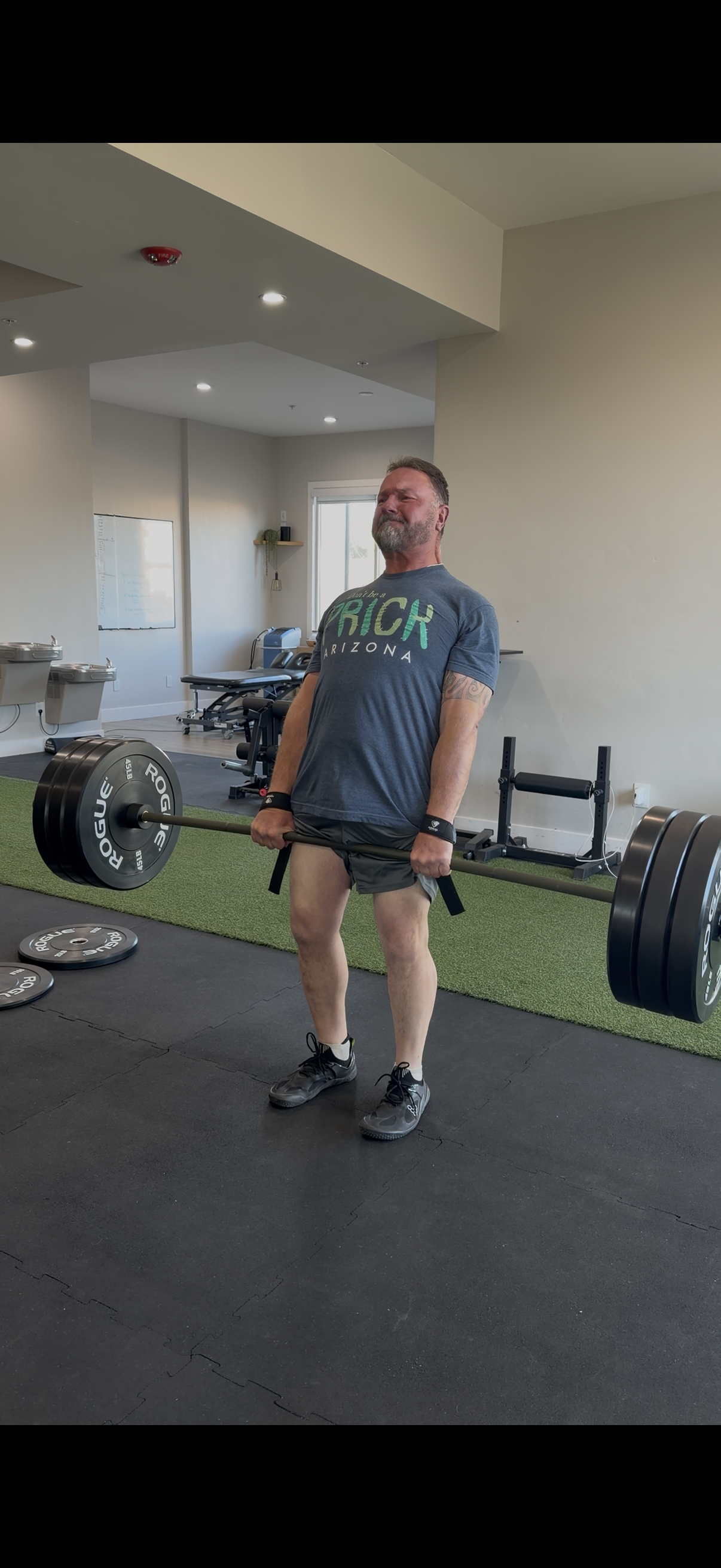
Mike Dianda — pulling heavy and pain-free. That's Integration.
An MRI finding is not a life sentence. Building capacity around it is the answer.
What This Looks Like
What a Herniated Disc Plan Actually Looks Like at MVMT Rx
Every patient is different, but here is the general shape of how we approach persistent herniated disc pain — the kind that has not responded to rest, medication, passive physical therapy, or the well-meaning advice to "just give it time."
Step 1 — Free Discovery Call: A phone call where we learn about your situation — how long you have been dealing with disc-related pain, what your MRI showed, what treatments you have tried, and what activities you have given up or are afraid to return to. We answer your questions, explain how our approach is different from what you have experienced, and determine whether it makes sense to meet in person. No commitment. No pressure. Just a real conversation to see if we are the right fit.
Step 2 — Free Discovery Visit: A 60-minute, in-person assessment where we walk through your full history — every provider, every treatment, every piece of imaging. We perform a comprehensive evaluation that goes far beyond looking at your MRI. We assess directional preference using McKenzie methodology, evaluate core stability through DNS-based testing, check hip mobility in all planes, assess neural tension and nerve mobility through clinical neurodynamics, test segmental spinal mobility, and evaluate your movement patterns under load. This is a root cause assessment, not a sales pitch. The goal is mutual confidence that you are in the right place and we can help.
Step 3 — Evaluation and First Treatment: If we both agree it is the right fit, we complete the clinical picture with additional testing and then turn everything into a structured treatment session so you can experience firsthand what a high-intention, 60-minute session looks like — Class IV laser therapy, McKenzie directional loading, chiropractic adjustments, neurodynamic techniques, and targeted core activation in the same visit. From there, we make a clinical recommendation on a plan of care — including time, frequency, and investment — decided together.
Ongoing Care: Every session is 60 minutes, one-on-one with your doctor. Your plan adapts weekly based on how your spine responds. Laser therapy is used strategically to manage inflammation and support tissue healing at the cellular level. McKenzie loading is progressed as your directional preference evolves. Core stability, hip mobility, nerve desensitization, and progressive spinal loading all advance based on objective markers — not guesswork and not a calendar. You receive programming to follow at home, at the gym, or on the road. You are coached, progressed, and held accountable through every phase of recovery. And you develop the movement literacy and body awareness to confidently manage your spine for life — not depend on someone else to keep it from hurting.
What a herniated disc plan at MVMT Rx may include: Class IV laser therapy for deep tissue inflammation and nerve root irritation, McKenzie-based directional preference assessment and progressive loading, chiropractic adjustments to restore segmental mobility above and below the herniated level, DNS-based core stability and intra-abdominal pressure retraining, clinical neurodynamic techniques for sciatic and femoral nerve involvement, progressive spinal loading to rebuild disc and muscle tolerance, hip mobility restoration to reduce lumbar compensation, movement pattern retraining for bending, lifting, and transitional movements, fear-avoidance behavior education and graded exposure to meaningful activities, and dynamometry-based retesting to track objective progress throughout the plan.
Learn More: Class IV Laser Therapy at MVMT Rx →
How we use photobiomodulation therapy to reduce inflammation, accelerate tissue repair, and support recovery from disc herniations in Reno and Sparks, NV.
Read the Full Guide: Why a Multi-Modal Approach Works →
Our complete breakdown of the RAIL System, our clinical toolkit, and why single-modality care fails for chronic pain.
Related: Why Your Low Back Pain Keeps Coming Back After Every Adjustment →
The same adjustment-plus-rehab approach applied to chronic low back pain — DNS, McKenzie, and progressive loading.
Related: Why Your Plantar Fasciitis Won't Go Away (And What Actually Works) →
Focused shockwave therapy, progressive loading, and clinical neurodynamics — why the stretch-ice-rest cycle fails for chronic heel pain.
Related: Knee Osteoarthritis — Why Generic Exercise Programs Fail →
Why your X-ray does not define your ceiling, and how objective testing and progressive loading change the outcome for knee OA.
Related: Why Your Shoulder Isn't Getting Better →
Rotator cuff tears, impingement, and frozen shoulder — why passive care fails and what objective-driven rehabilitation actually looks like.
Related: Neck Pain After Failed Chiropractic Care →
Why adjustments alone do not resolve chronic neck pain, and how McKenzie assessment, clinical neurodynamics, and progressive rehabilitation change the outcome.
Related: Achilles Tendinopathy — Why Rest and Stretching Are Making It Worse →
Focused shockwave therapy, progressive loading, and midfoot mobility — why rest and cortisone fail for chronic Achilles tendon pain.
Related: Hip Pain — Why Stretching and Foam Rolling Aren't Fixing Your Hips →
Clinical myofascial release, DNS, and progressive hip rehabilitation — why self-stretching fails for chronic hip pain.
Frequently Asked Questions
Herniated Disc Questions We Hear Every Week
Can a herniated disc heal without surgery?
Yes. Research shows that approximately 66% of disc herniations undergo spontaneous resorption — the body's immune system gradually breaks down and reabsorbs the extruded disc material over time. The larger the herniation, the more likely it is to resorb. Additionally, the SPORT trial demonstrated that outcomes for many surgical and conservative care patients converge by two to four years. Surgery is appropriate for some patients — particularly those with progressive neurological deficits — but for the majority, a well-designed rehabilitation program that includes progressive loading, core stability, and neurodynamic management produces excellent outcomes without surgical intervention.
How long does a herniated disc take to heal?
The timeline varies depending on the severity of the herniation, the degree of neural involvement, and how quickly a patient can begin progressive loading. Most patients begin experiencing meaningful improvement within the first four to eight weeks of a structured rehabilitation program. Full resorption of a herniated disc — when it occurs — can take six to twelve months. But functional recovery — the ability to return to training, sport, work, and daily life without limitation — often happens well before the disc has fully resorbed on imaging. We do not chase MRI findings. We chase function, strength, and capacity.
Is it safe to exercise with a herniated disc?
Not only is it safe — it is essential. The intervertebral disc is a load-adapted tissue that requires movement and progressive stress to heal. Prolonged rest deconditions the spine, weakens the deep stabilizers, and accelerates neural sensitization — all of which make the problem worse. The key is that the exercise must be appropriate, progressive, and guided by clinical assessment. McKenzie-based directional loading determines which movements are safe and therapeutic from the start. From there, we systematically build spinal capacity through DNS-based core training, progressive loading, and movement retraining — never guessing, always testing.
What is the difference between a bulging disc and a herniated disc?
A bulging disc is a broad-based extension of the disc beyond the normal margin of the vertebral body — the outer ring of the disc pushes outward but remains intact. A herniation is a more focal protrusion where the inner disc material (nucleus pulposus) pushes through a tear in the outer ring (annulus fibrosus). The clinical distinction matters less than most patients are told. Both findings are extremely common on MRI in people with zero pain. What matters is not the label on the MRI — it is whether the finding correlates with your symptoms, your clinical examination, and your functional deficits. We treat the person, not the image.
Can I deadlift and squat again with a herniated disc?
Yes — and in most cases, you should. The deadlift and the squat are two of the most effective exercises for building the spinal capacity that protects against future disc problems. The goal is not to rush back to heavy loads on day one. The goal is to systematically rebuild your ability to hinge, squat, and load the spine through progressive stages — starting with bodyweight or light load, progressing based on objective testing and symptom response, and ultimately returning to the training demands that matter to you. We have taken patients from acute disc herniations back to competitive deadlifting. It requires clinical reasoning, patience, and a system — not fear.
Does laser therapy actually work for disc herniations?
Class IV laser therapy (photobiomodulation) has a growing evidence base supporting its use for musculoskeletal pain, including conditions involving nerve irritation and deep tissue inflammation. The mechanism is cellular: specific wavelengths of light penetrate tissue, stimulate mitochondrial function, increase ATP production, reduce pro-inflammatory cytokines, and accelerate tissue repair. For a herniated disc, where local inflammation around the nerve root and disc is a primary pain driver, laser therapy provides a non-invasive tool for managing the inflammatory component while supporting the biological healing process. We use it as part of a comprehensive system — never in isolation.
Why does my MRI show a herniation but my friend's doctor says his is "normal"?
Because MRI interpretation varies significantly between radiologists and clinicians, and because disc herniations are so common in pain-free people that many clinicians rightfully regard them as normal age-related findings. A 2015 systematic review found disc herniations in over 30% of asymptomatic 20-year-olds. If you scanned enough backs, a large percentage of pain-free people would have findings that sound alarming in a radiology report. The critical question is not whether a herniation exists on the image — it is whether that finding is clinically relevant to your symptoms. That determination requires a thorough clinical examination, not just an MRI.
What makes MVMT Rx different from the PT or chiropractor I already tried?
Three things. First, every session is 60 minutes, one-on-one with your doctor — you are never handed off to an aide or technician. Second, we combine Class IV laser therapy, chiropractic adjustments, McKenzie-based assessment, clinical neurodynamics, DNS core stability, and progressive rehabilitation under one roof — in the same session — using a clinical reasoning framework called the RAIL System that guides every decision from relief through long-term capacity building. Third, we use objective testing — dynamometry, range of motion, functional movement assessment — to drive every progression, not arbitrary visit counts, generic protocols, or insurance authorization timelines. If the PT had you doing bridges and clamshells for twelve weeks, or the chiropractor adjusted you three times a week without ever loading your spine, you were not getting the full picture.
Conditions and symptoms we treat at MVMT Rx related to herniated discs: herniated disc treatment Reno, disc herniation conservative care Sparks NV, bulging disc treatment without surgery, lumbar disc herniation rehabilitation, sciatica treatment Reno NV, sciatic nerve pain chiropractic Sparks, Class IV laser therapy herniated disc, photobiomodulation therapy disc herniation, laser therapy for sciatica Reno, McKenzie method disc herniation Reno NV, directional preference assessment lumbar disc, DNS core stability disc herniation, neurodynamics for sciatic nerve pain, nerve flossing sciatica treatment, herniated disc fear avoidance, disc herniation return to deadlifting, disc herniation return to squatting, herniated disc sports rehab Reno, progressive loading herniated disc, spinal deconditioning after disc injury, disc herniation after failed physical therapy, disc herniation after failed chiropractic, disc resorption natural healing, herniated disc MRI findings asymptomatic, low back pain disc herniation Reno Sparks NV, sports chiropractor herniated disc Reno, performance rehab disc herniation active adults, chiropractic adjustments disc herniation Sparks NV, cash pay herniated disc treatment Reno Nevada, hip internal rotation deficit low back pain, golfer low back pain hip rotation chiropractor Reno, nerve tethering after disc herniation, CGRP Substance P nerve pain treatment, ankle dorsiflexion low back pain, kinetic chain assessment herniated disc, clinical neurodynamics nerve flossing sciatica Reno NV, MVMT Rx Sports Care and Chiropractic disc specialist Reno NV.
References
- Brinjikji W, Luetmer PH, Comstock B, et al. Systematic literature review of imaging features of spinal degeneration in asymptomatic populations. American Journal of Neuroradiology. 2015;36(4):811–816. doi:10.3174/ajnr.A4173
- Zhong M, Liu JT, Jiang H, et al. Incidence of spontaneous resorption of lumbar disc herniation: a meta-analysis. Pain Physician. 2017;20(1):E45–E52. PMID: 28072796
- Weinstein JN, Tosteson TD, Lurie JD, et al. Surgical vs nonoperative treatment for lumbar disk herniation: the Spine Patient Outcomes Research Trial (SPORT): a randomized trial. JAMA. 2006;296(20):2441–2450. doi:10.1001/jama.296.20.2441
- Chow RT, Johnson MI, Lopes-Martins RAB, Bjordal JM. Efficacy of low-level laser therapy in the management of neck pain: a systematic review and meta-analysis of randomised placebo or active-treatment controlled trials. The Lancet. 2009;374(9705):1897–1908. doi:10.1016/S0140-6736(09)61522-1
- May S, Aina A. Centralization and directional preference: a systematic review. Manual Therapy. 2012;17(6):497–506. doi:10.1016/j.math.2012.05.003
- Cotler HB, Chow RT, Hamblin MR, Carroll J. The use of low level laser therapy (LLLT) for musculoskeletal pain. MOJ Orthopedics & Rheumatology. 2015;2(5):00068. doi:10.15406/mojor.2015.02.00068
- Van Dillen LR, Bloom NJ, Gombatto SP, Susco TM. Hip rotation range of motion in people with and without low back pain who participate in rotation-related sports. Physical Therapy in Sport. 2008;9(2):72–81. doi:10.1016/j.ptsp.2008.01.002
- Harris-Hayes M, Sahrmann SA, Van Dillen LR. Relationship between the hip and low back pain in athletes who participate in rotation-related sports. Journal of Sport Rehabilitation. 2009;18(1):60–75. doi:10.1123/jsr.18.1.60
- Vad VB, Bhat AL, Basrai D, Gebeh A, Aspergren DD, Andrews JR. Low back pain in professional golfers: the role of associated hip and low back range-of-motion deficits. American Journal of Sports Medicine. 2004;32(2):494–497. doi:10.1177/0363546503261729
- Nee RJ, Butler DS. Management of peripheral neuropathic pain: integrating neurobiology, neurodynamics, and clinical evidence. Physical Therapy in Sport. 2006;7(1):36–49. doi:10.1016/j.ptsp.2005.10.002
- Kobayashi S, Meir A, Baba H, Uchida K, Hayakawa K. Imaging of intraneural edema by using gadolinium-enhanced MR imaging: experimental compression injury. American Journal of Neuroradiology. 2005;26(4):973–980. PMID: 15814956
Done Resting a Spine That Needs to Be Loaded?
If rest, medication, and passive therapy have not fixed your herniated disc — the problem is not the disc. It is the approach. Start with a free conversation.
Book Your Free Discovery CallMVMT Rx Sports Care & Chiropractic | Reno & Sparks, NV | (775) 245-4142


Free Guides
Patient Care
Links
© Copyright 2026. MVMT Rx Sports Care & Chiropractic. All Rights Reserved.