
Patient Education
The Hidden Cost of Daily Tylenol and NSAIDs:
What Nobody Told You About Your Pain Medication
If you need Tylenol or ibuprofen every day just to function, nobody has found the actual driver of your pain yet. The medication is masking the signal while quietly doing damage you cannot feel.
The Story Nobody Addresses
3,000 Milligrams a Day Just to Get Through Work
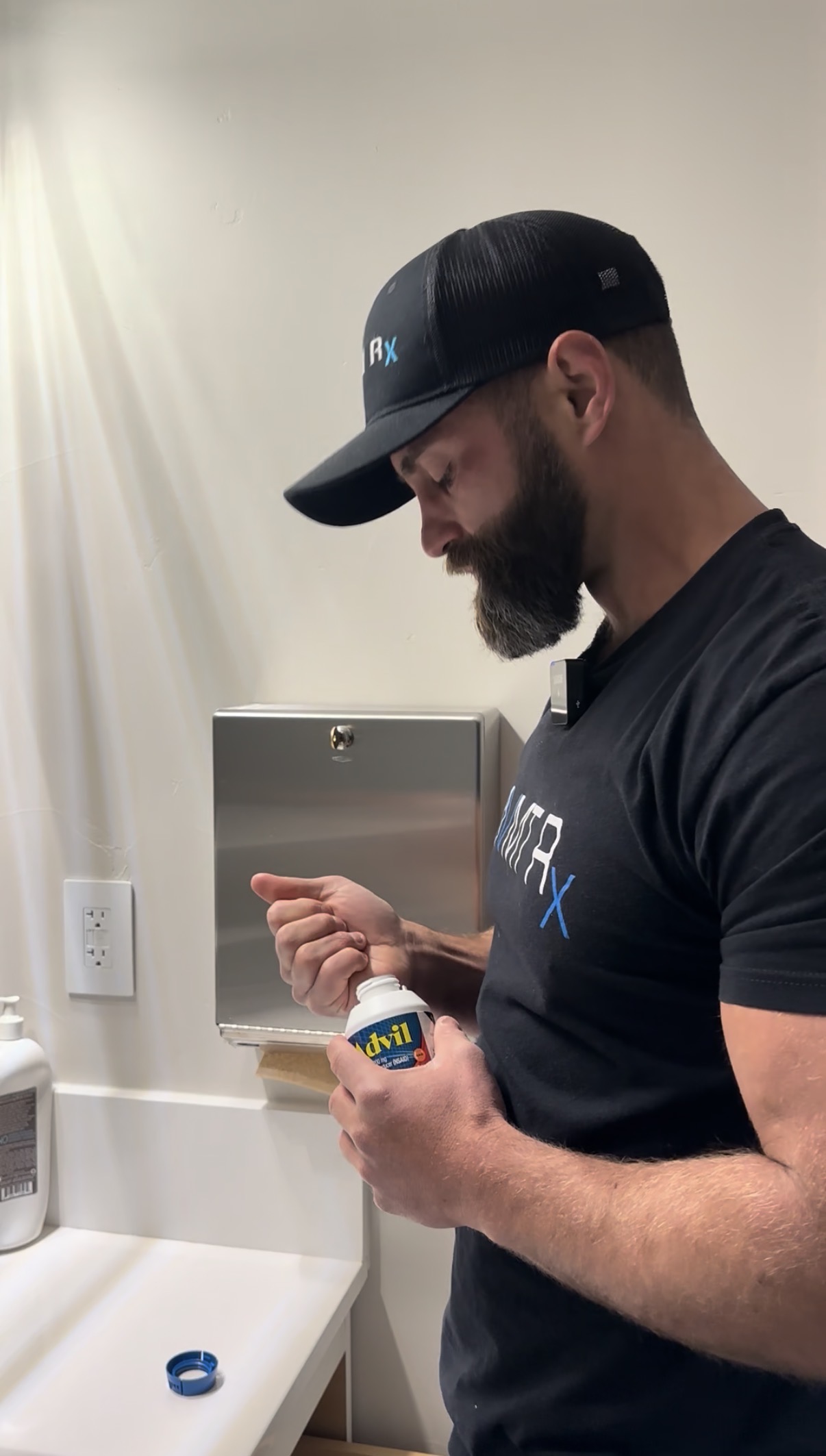
A patient came in for a Discovery Visit recently. During the intake, he mentioned — almost casually — that he had been taking 3,000 milligrams of acetaminophen daily for years. On bad days, he added ibuprofen on top of it. He was not doing this recreationally. He was doing it because his low back and hip pain were severe enough that he could not sit through a workday without it.
What stood out was not the dosage itself, although 3,000 milligrams of Tylenol daily is dangerously close to the maximum recommended ceiling. What stood out was the fact that nobody in his care history had ever addressed it. Not his primary care physician. Not his previous physical therapist. Not the chiropractor he had been seeing for adjustments every two weeks. Everyone knew he was taking it. Nobody asked the harder question: why does this person need that much medication just to function?
He was not an outlier. He is a pattern. In our clinic, a significant percentage of new patients report daily or near-daily use of over-the-counter pain medication. Most of them have been doing it for months or years. Most of them assume it is safe because the medication does not require a prescription. And most of them have no idea what it is doing to their body in the background.
This post is for those people. If you are reading this and you recognize yourself in that description, this is not judgment. This is information you deserve to have.
The Evidence
What the Research Actually Says About Daily OTC Pain Medication
Over-the-counter pain medications — acetaminophen (Tylenol) and NSAIDs like ibuprofen (Advil, Motrin) and naproxen (Aleve) — are genuinely useful tools for short-term pain management. Nobody is disputing that. The problem arises when short-term tools become long-term habits, and when daily use goes unmonitored because the medication does not require a prescription.
Here is what the peer-reviewed literature shows about chronic daily use. This is not opinion. This is what the research says.
1. Acetaminophen and Liver Damage
Acetaminophen is the number one cause of acute liver failure in the United States. Not hepatitis. Not alcohol. Tylenol. Larson et al. published a landmark study in Hepatology in 2005 analyzing acute liver failure cases across multiple U.S. medical centers and found that acetaminophen overdose accounted for the largest single category of cases — and a substantial portion of those were unintentional, resulting from chronic therapeutic use rather than deliberate overdose.1
The maximum recommended daily dose for acetaminophen is 4,000 milligrams for healthy adults. But here is the part most people do not know: there is not a large safety margin between therapeutic doses and hepatotoxic doses. Patients taking doses near the ceiling — 3,000 to 4,000 milligrams daily — over extended periods face real risk, especially if they consume any alcohol, take other medications that tax the liver, or have any existing liver compromise they are unaware of. The liver damage is cumulative and frequently asymptomatic until it becomes severe.
Key point: The patient in our opening story was taking 3,000 mg daily — within the "recommended" range. But daily use at that level for years, especially combined with occasional ibuprofen and any alcohol consumption, puts the liver under chronic stress that does not produce symptoms until significant damage has already occurred.
2. NSAIDs and Gastrointestinal Damage
NSAIDs — ibuprofen, naproxen, aspirin — work by inhibiting cyclooxygenase (COX) enzymes, which reduces inflammation and pain. The problem is that those same enzymes protect the stomach lining. Chronic inhibition leads to erosion of the gastric mucosa, ulcers, and gastrointestinal bleeding.
Lanas et al. published a comprehensive review in the Annals of Gastroenterology in 2015 documenting the significant burden of NSAID-associated GI complications, including upper GI bleeding, perforation, and obstruction — even at standard OTC doses when used chronically.2 Wolfe, Lichtenstein, and Singh published an earlier but widely cited analysis in the New England Journal of Medicine in 1999 estimating that NSAID-related GI complications result in over 100,000 hospitalizations and thousands of deaths annually in the United States alone.3
The critical detail: these are not complications from prescription-strength doses. These are complications from over-the-counter doses taken daily over extended periods. Most patients assume that because the drug is available without a prescription, chronic daily use is safe. The evidence says otherwise.
3. NSAIDs and Cardiovascular Risk
Chronic NSAID use is associated with increased risk of myocardial infarction and stroke. The Coxib and traditional NSAID Trialists' (CNT) Collaboration published a large-scale meta-analysis in The Lancet in 2013 — Bhala et al. — analyzing data from over 350,000 participants across hundreds of randomized trials. Their findings showed that high-dose NSAID regimens significantly increased the risk of major vascular events, including both coronary events and stroke.4
McGettigan and Henry published a systematic review in PLoS Medicine in 2011 specifically examining the comparative cardiovascular safety of different NSAIDs and confirmed that the cardiovascular risk is real, varies by specific NSAID, and is particularly concerning for patients with pre-existing cardiovascular risk factors — which includes a large segment of the population taking these medications daily for chronic pain.5
Most people taking daily ibuprofen for their back or knee pain have never been told that the medication increases their risk of a heart attack. That is a problem.
4. NSAIDs and Kidney Damage
Chronic NSAID use is a well-documented cause of renal impairment. Whelton and Hamilton reviewed the evidence in the Annals of Internal Medicine in 1991 and demonstrated that chronic NSAID use can lead to chronic interstitial nephritis, papillary necrosis, and progressive loss of renal function — particularly in patients who are dehydrated, on other nephrotoxic medications, or have pre-existing kidney compromise.6
The kidney damage is insidious because it develops slowly and produces no symptoms in the early stages. By the time a patient notices problems — swelling, changes in urine output, fatigue — significant renal damage has already occurred. Regular daily NSAID users who are not being monitored with periodic bloodwork are essentially flying blind.
5. Acetaminophen and Emotional Processing
This one surprises most patients. Acetaminophen does not only blunt physical pain — it blunts emotional processing as well. Mischkowski, Crocker, and Way published a study in Social Cognitive and Affective Neuroscience in 2016 demonstrating that acetaminophen reduces empathy for both physical and social pain experienced by others.7 Durso, Luttrell, and Way published findings in 2015 showing that acetaminophen blunts both positive and negative emotional reactions — it does not selectively reduce pain; it reduces the intensity of emotional experience across the board.8
If you are taking Tylenol every day, you may be experiencing a subtle but real reduction in emotional range that you attribute to stress, aging, or fatigue. The medication itself may be contributing to emotional flatness you do not recognize as a side effect because nobody told you it could happen.
6. NSAIDs and Delayed Tissue Healing
This is the one that matters most from a musculoskeletal perspective. Inflammation is not a mistake your body makes. It is the first phase of tissue healing. When you take NSAIDs to suppress inflammation, you are suppressing the biological cascade your body needs to repair damaged tissue.
Tsai et al. reviewed the evidence in the Journal of Musculoskeletal Medicine in 2012 and found that NSAID use can impair tendon healing, delay bone fracture repair, and interfere with muscle regeneration.9 Wheeler and Batt published similar findings showing that chronic NSAID use during the healing phase of soft tissue injuries can lead to weaker tissue repair and increased risk of re-injury.10
Think about what this means practically. A patient has a tendon issue or a muscle strain. They take ibuprofen to manage the pain. The ibuprofen suppresses the inflammatory response that is supposed to clean up damaged tissue and lay down new collagen. The tissue heals poorly. The pain persists. They take more ibuprofen. The cycle continues. The medication that is supposed to help them recover is actively slowing their recovery.
7. NSAIDs and Gut Microbiome Disruption
Chronic NSAID use is associated with significant disruption of the gut microbiome. Rogers and Aronoff published research in 2016 examining how NSAIDs alter the composition of gut bacteria, promoting dysbiosis — an imbalance in the gut microbial community that has downstream effects on immune function, inflammation, and even mental health.11
The gut microbiome is involved in regulating systemic inflammation, immune response, nutrient absorption, and neurotransmitter production. Disrupting it with chronic NSAID use does not just affect the GI tract — it affects the entire system. Patients taking daily NSAIDs may be creating a pro-inflammatory gut environment that paradoxically makes their systemic pain and inflammation worse over time.
Signs that your daily pain medication may be masking a fixable problem instead of solving it:
- You have been taking the same dose for months or years and the pain has not improved
- When you skip a day, the pain comes back at the same intensity
- You have gradually increased your dose over time
- You are stacking medications — Tylenol plus ibuprofen, or adding naproxen on bad days
- You take medication before activities you used to do without it
- Nobody has performed objective physical testing to identify the actual driver of your pain
- Your imaging was read as "normal" or "age-related changes" but you are still in pain
- You have been told your pain is just something you need to manage or live with
The MVMT Rx Perspective
The Real Question Is Not How to Manage Pain Forever. It Is Why the Pain Keeps Happening.
Pain is a signal. It is your nervous system telling you that something is wrong — that a tissue is overloaded, a movement pattern is dysfunctional, a structure is being stressed beyond its current capacity. That signal exists for a reason. It is trying to protect you.
When you take daily medication to suppress that signal without ever investigating what the signal is pointing to, you are not managing your pain. You are ignoring it. And you are doing so at a cost — to your liver, your gut, your kidneys, your cardiovascular system, and possibly to the actual tissue that is trying to heal.
This is not a critique of any provider or profession. Every clinician in the system is operating within the constraints of their training, their time, and the reimbursement models they work under. The problem is the approach, not the people. When the standard approach is to manage symptoms — with medication, with passive treatments, with imaging that often shows findings unrelated to the actual problem — nobody ever asks the harder question: what is the driver?
At MVMT Rx, that is the first question we ask. Not "where does it hurt?" but "why does it hurt?" Those are fundamentally different questions, and they lead to fundamentally different outcomes.
What We See in Most Chronic Pain Patients
The majority of chronic pain patients we evaluate are not broken. They are not fragile. They do not have a structural problem that makes pain inevitable. What they have is a capacity deficit — they lack the strength, endurance, motor control, or tissue resilience to tolerate the loads their life demands.
Most chronic pain patients we see are underloaded, undercoached, and underprepared. They have been told to rest, avoid activities that hurt, take their medication, and come back if it gets worse. Nobody has systematically loaded their tissues, tested their function objectively, or built a progressive plan to close the gap between where they are and where they need to be.
What objective testing reveals that imaging and medication management often miss:
- Specific strength deficits in the muscles that stabilize the painful joint or region
- Movement pattern compensations that shift load to structures not built to handle it
- Neurodynamic restrictions — nerves that are not sliding properly through their pathways
- Directional preferences — specific movements that centralize or abolish pain completely
- Myofascial restrictions creating referred pain patterns that mimic joint or disc pathology
- Endurance deficits — muscles that fatigue prematurely under sustained or repeated load
- Motor control breakdowns that only appear under load or fatigue, not during a standard exam
- Capacity gaps between the patient's current tissue tolerance and the demands of their daily life or sport
These are the actual drivers that keep people dependent on daily pain medication. They do not show up on an MRI. They do not respond to passive treatments alone. And they absolutely do not resolve by masking the signal with Tylenol and ibuprofen.
They resolve with objective testing, accurate clinical reasoning, and progressive loading — building the capacity your body needs to handle your life without chemical support.
Conditions Where Patients Commonly Rely on Daily OTC Pain Medication
- Chronic low back pain — the most common driver of daily Tylenol and NSAID use
- Knee osteoarthritis — often managed with daily naproxen or ibuprofen for years
- Hip pain and hip osteoarthritis — frequently treated with medication rather than targeted loading
- Chronic neck pain and cervicogenic headaches
- Shoulder impingement and rotator cuff tendinopathy
- Plantar fasciitis and Achilles tendinopathy
- Sacroiliac joint dysfunction and pelvic pain
- Chronic tension headaches
- Thoracic spine and rib pain
- Chronic sciatic pain and lumbar radiculopathy
- Post-surgical pain that persists beyond expected recovery timelines
- Fibromyalgia and widespread pain syndromes
Every one of these conditions has an evidence-based, active rehabilitation pathway that addresses the underlying driver. None of them require daily over-the-counter medication as a permanent strategy.
Beyond the Rehab Room
The Changes That Happen Outside of Your Appointments
Here is something most clinics never talk about: the rehab is only part of the equation. What you eat, how you sleep, how you manage stress, and how you move between appointments has a direct effect on your pain, your recovery, and your long-term outcomes. We see this every single day in our clinic.
At MVMT Rx, nutrition guidance and lifestyle coaching are built into our plans of care — not as an upsell, not as an afterthought, but as a core piece of the process. Because the reality is this: you can do everything right in the clinic for 60 minutes, but if the other 23 hours are working against you — poor sleep, inflammatory diet, chronic dehydration, unmanaged stress — your body does not have the raw materials or the recovery environment it needs to actually heal.
What This Looks Like in Practice
We are not handing out generic meal plans or telling you to eat more salads. Every patient who goes through nutrition coaching with us starts with a three-day diet log that we review in detail. From there, we build customized macronutrient targets that account for your specific goals, your schedule, your food preferences, and any allergies or restrictions. This is not cookie-cutter — it is built for your life.
For some patients, that means addressing the fact that they are chronically under-eating protein by half and wondering why their tissues are not recovering. For others, it means identifying that their fat intake is 40 percent above where it should be while their carbohydrate intake is too low to fuel training and recovery. We frequently increase complex carbohydrates and high-fiber intake — often targeting 50 or more grams of fiber per day — because most patients are nowhere near the intake their gut and their recovery demand.
When supplementation is warranted, we keep it targeted and evidence-based. Everything we recommend is third-party tested and clinical grade — so you actually know what you are getting. Depending on the patient, that may include omega-3s for their anti-inflammatory benefits, vitamin D with K2, magnesium, a methylated B complex, creatine for muscle performance and cognitive function, or specific microbiome support to optimize digestion — particularly important when increasing protein intake to avoid GI issues. When patients need deeper support, we refer to our in-house functional medicine doctor, Dr. Lacey, who works alongside our team.
73 Pounds, Zero Daily Medication, and a New Life
One of our patients came in with chronic low back pain, shoulder blade pain, and neck pain that had been running his life for years. He was getting weekly chiropractic adjustments just to function — and they helped temporarily, but the pain always came back because nobody had ever addressed why it kept happening. He was consuming half the protein his body needed to build lean mass and lose fat, his fat intake was roughly 40 percent higher than it should have been, and his fiber intake was a fraction of what his gut needed. He was inflamed, deconditioned, and — at over 300 pounds with a family history of fatal heart disease — he was on a trajectory nobody wants to think about.
We rebuilt everything. He committed to a full rehabilitation plan — not just adjustments, but targeted exercise with specific, goal-driven dosage designed to address the capacity deficits that were actually driving his pain. We customized his macronutrient targets after reviewing his diet log. Increased his protein, increased his complex carbohydrates, built his fiber intake above 50 grams per day, and put him on a targeted supplement protocol — omega-3s, methylated B complex, vitamin D — to support the work his body was doing. Then we loaded him progressively. Built his strength. Built his cardiovascular endurance. Coached him through the lifestyle changes that most clinics never touch.
He went from 315 pounds to 242. His chronic low back pain, shoulder blade pain, and neck pain have resolved — not because we found a better way to mask them, but because we built the strength, mobility, and tissue capacity his body needed to stop producing pain signals in the first place. His strength and cardiovascular endurance have increased dramatically. He rarely needs an adjustment anymore — not because adjustments stopped working, but because his body is no longer inflamed, his cardiovascular system is delivering well-oxygenated blood to his soft tissues, and he has the strength and mobility to maintain what used to require weekly manual intervention. He says he feels better now in his mid-50s than he did in his 20s and 30s.
His new goal is being able to go on big game hunts with his son and future grandkids well into his 80s — something that was stripped from his own father, who passed from a heart attack far too young. He is more motivated and healthier than he has ever been. And it is one of the most rewarding things we get to witness as clinicians.
That transformation did not come from adjustments alone. It did not come from exercises alone. It came from a patient who fully committed to changing his entire relationship with his health — and a team that coached him through every piece of it.
Heart disease is the leading cause of death in American men, and nearly half of all sudden cardiac deaths occur in people with no prior diagnosis — no warning, no known risk factors, no second chance.12 For men who are carrying excess weight, chronically inflamed, deconditioned, and masking pain with daily medication, the musculoskeletal pain they feel is often the least dangerous problem they have. We take that seriously. When appropriate, we coordinate with our men's health nurse practitioner to ensure hormonal health is optimized to support everything else the patient is building.
We have written a separate post on this topic: The Silent Killer: What Every Man Over 40 Needs to Know About Heart Attack Risk.
Lifestyle factors that directly affect chronic pain, tissue healing, and medication dependence:
- Protein intake — inadequate protein limits the body's ability to repair muscle, tendon, and connective tissue
- Macronutrient balance — too much fat, too few carbohydrates, and insufficient fiber undermine recovery and gut health
- Sleep quality — tissue repair and nervous system recovery happen during deep sleep stages; poor sleep perpetuates pain sensitivity
- Hydration — chronic dehydration impairs joint lubrication, disc hydration, and tissue elasticity
- Systemic inflammation from diet — processed foods, excess sugar, and seed oils contribute to a pro-inflammatory internal environment that amplifies pain
- Gut microbiome health — dysbiosis from poor diet or chronic NSAID use impairs immune function, nutrient absorption, and systemic inflammation
- Stress and cortisol — chronic stress elevates cortisol, impairs healing, disrupts sleep, and lowers pain thresholds
- Movement outside of appointments — patients who stay sedentary between visits lose the gains made during sessions
- Alcohol consumption — compounds liver stress from acetaminophen and increases GI risk from NSAIDs
- Vitamin D, magnesium, and omega-3 status — deficiencies are common in chronic pain populations and directly affect musculoskeletal function and inflammation
- Hormonal health — testosterone and other hormones directly affect muscle recovery, body composition, energy, and pain tolerance
This is why so many patients hit a ceiling with other providers. They get good treatment in the room — maybe even great treatment — but nobody addresses the environment their body is trying to heal in. When we coach patients on the lifestyle factors that are working against them, the rehab starts working faster and the results stick longer. That is when daily medication starts becoming unnecessary — not because we told them to stop, but because their body stopped needing it.
These are not small changes. For many of our patients, this is the part of the process that transforms their relationship with their own health. The rehab gives them their body back. The lifestyle changes give them the confidence and the tools to keep it.
Related Reading
Deep Dives Into Specific Conditions
If you are currently using daily pain medication for any of these conditions, start here. Each post breaks down what is actually driving the pain, why common treatments fail, and what a structured, evidence-based approach looks like.
Low Back Pain: Why Adjustments Alone Are Not Enough →
Chronic low back pain is the number one driver of daily OTC medication use. This post covers what objective testing reveals, why imaging often misleads, and how progressive loading resolves what passive care cannot.
Knee Osteoarthritis: Rehab That Actually Changes the Joint →
If you have been told your knee arthritis means you need daily anti-inflammatories and an eventual replacement, read this first. The research on loading and knee OA is stronger than most patients realize.
Hip Pain: Finding the Actual Driver Behind the Stiffness →
Hip pain patients are some of the heaviest daily NSAID users we see. This post covers how myofascial release combined with targeted loading addresses the actual tissue restrictions driving the pain.
The Multi-Modal Approach to Chronic Pain →
The full picture: why single-modality care keeps patients stuck, and how combining adjustments, rehabilitation, neurodynamics, laser, shockwave, and myofascial release under one roof produces outcomes that individual treatments cannot.
Topics covered in this post and conditions we treat at MVMT Rx related to chronic pain medication dependence: daily Tylenol risks, daily ibuprofen side effects, NSAID liver damage, acetaminophen liver toxicity, chronic pain management Reno NV, daily pain medication risks Sparks NV, NSAID kidney damage, ibuprofen stomach ulcers, Tylenol and liver failure, over-the-counter painkiller risks, chronic low back pain without medication, knee osteoarthritis non-drug treatment Reno, hip pain treatment without NSAIDs, chronic pain chiropractor Reno, sports chiropractic Sparks NV, alternative to daily pain medication, NSAID cardiovascular risk, acetaminophen emotional blunting, NSAID delayed healing, anti-inflammatory gut damage, chronic pain rehabilitation Reno, progressive loading for chronic pain, objective pain testing Reno NV, pain management without medication Northern Nevada, evidence-based chronic pain care Sparks NV, nutrition for chronic pain recovery, lifestyle coaching chiropractic Reno, sleep and pain recovery, anti-inflammatory diet Sparks NV, protein intake tissue healing, holistic pain management Reno NV, and chronic pain lifestyle changes Northern Nevada.
Frequently Asked Questions
Common Questions About Daily Pain Medication
Is it safe to take Tylenol every day?
Acetaminophen has a narrow margin between therapeutic and toxic doses. While occasional use within recommended limits is generally considered safe for most adults, daily use — especially at higher doses or over extended periods — carries real risk of liver damage. Larson et al. (2005) demonstrated that acetaminophen is the leading cause of acute liver failure in the United States, with a significant portion of cases resulting from chronic therapeutic use rather than intentional overdose. If you find yourself needing Tylenol daily, the more important question is why the pain is persistent enough to require it — and whether the underlying driver has ever been properly identified.
Can NSAIDs cause stomach ulcers?
Yes. Chronic NSAID use — even at over-the-counter doses — is a well-established cause of gastric and duodenal ulcers, GI bleeding, and other gastrointestinal complications. The mechanism is direct: NSAIDs inhibit the COX enzymes that protect the stomach lining. The risk increases with duration of use, higher doses, concurrent use of multiple NSAIDs, alcohol consumption, and age. If you have been taking daily ibuprofen or naproxen for weeks or months, your GI tract is under stress whether you feel symptoms or not.
Should I stop taking my pain medication?
This post is not medical advice to stop any medication. If you are taking daily pain medication — whether prescribed or over-the-counter — always consult your prescribing physician before making changes. What this post is advocating for is a parallel conversation: while working with your physician on medication management, pursue a thorough evaluation to identify whether the actual driver of your pain can be addressed directly. In many cases, when the driver is identified and resolved through progressive rehabilitation, the need for daily medication resolves on its own.
What if my doctor prescribed NSAIDs for my arthritis?
Prescribed medication is between you and your physician, and we would never tell a patient to stop or change a prescribed regimen. What we can do is work alongside your medical team to address the functional deficits, strength gaps, and movement limitations that are driving your pain. The research on exercise and loading for osteoarthritis is exceptionally strong — in many cases, a structured progressive loading program reduces pain and improves function to a degree where patients and their physicians decide together that daily medication is no longer necessary.
How do I know if my pain has a fixable cause?
If your pain follows a pattern — worse with certain movements, better in certain positions, aggravated by specific activities or sustained postures — there is almost always a mechanical or capacity-based driver that can be identified through objective testing. The patients who truly have no fixable cause are far rarer than most people are led to believe. A Discovery Visit at MVMT Rx is a free conversation where we listen to your history, discuss what has been tried, and determine whether our approach is a realistic fit for your situation.
Is inflammation always bad? Should I never take anti-inflammatories?
Inflammation is not inherently bad — it is the first phase of tissue healing. Acute inflammation after an injury is your body mobilizing repair resources to the damaged area. Suppressing that process with NSAIDs during the early stages of healing can delay recovery. That said, there are situations where short-term anti-inflammatory use is appropriate and helpful, particularly for managing acute flare-ups or enabling participation in rehabilitation. The issue is chronic daily use as a long-term pain management strategy without ever addressing the underlying driver.
Medical Disclaimer: This post is for educational purposes only and does not constitute medical advice. The information presented reflects published peer-reviewed research and is intended to help patients make informed decisions in consultation with their healthcare providers. Always consult your prescribing physician before making changes to any medication regimen. MVMT Rx does not prescribe, adjust, or discontinue medications. Nothing in this post should be interpreted as a recommendation to stop taking any medication without physician guidance.
References
- Larson AM, Polson J, Fontana RJ, et al. Acetaminophen-induced acute liver failure: results of a United States multicenter, prospective study. Hepatology. 2005;42(6):1364–1372. doi:10.1002/hep.20948
- Lanas A, Chan FKL. Peptic ulcer disease. Annals of Gastroenterology. 2015;390(10094):613–624.
- Wolfe MM, Lichtenstein DR, Singh G. Gastrointestinal toxicity of nonsteroidal antiinflammatory drugs. New England Journal of Medicine. 1999;340(24):1888–1899. doi:10.1056/NEJM199906173402407
- Bhala N, Emberson J, Merhi A, et al. Vascular and upper gastrointestinal effects of non-steroidal anti-inflammatory drugs: meta-analyses of individual participant data from randomised trials. The Lancet. 2013;382(9894):769–779. doi:10.1016/S0140-6736(13)60900-9
- McGettigan P, Henry D. Cardiovascular risk with non-steroidal anti-inflammatory drugs: systematic review of population-based controlled observational studies. PLoS Medicine. 2011;8(9):e1001098. doi:10.1371/journal.pmed.1001098
- Whelton A, Hamilton CW. Nonsteroidal anti-inflammatory drugs: effects on kidney function. Annals of Internal Medicine. 1991;115(5):681–690.
- Mischkowski D, Crocker J, Way BM. From painkiller to empathy killer: acetaminophen (paracetamol) reduces empathy for pain. Social Cognitive and Affective Neuroscience. 2016;11(9):1345–1353. doi:10.1093/scan/nsw057
- Durso GRO, Luttrell A, Way BM. Over-the-counter relief from pains and pleasures alike: acetaminophen blunts evaluation sensitivity to both negative and positive stimuli. Psychological Science. 2015;26(6):750–758. doi:10.1177/0956797615570366
- Tsai WC, Hsu CC, Chou SW, et al. Effects of celecoxib on migration, proliferation, and collagen expression of tendon cells. Journal of Musculoskeletal Medicine. 2012;30(1):1–8.
- Wheeler P, Batt ME. Do non-steroidal anti-inflammatory drugs adversely affect stress fracture healing? A short review. British Journal of Sports Medicine. 2005;39(2):65–69. doi:10.1136/bjsm.2004.012492
- Rogers MAM, Aronoff DM. The influence of non-steroidal anti-inflammatory drugs on the gut microbiome. Clinical Microbiology and Infection. 2016;22(2):178.e1–178.e9. doi:10.1016/j.cmi.2015.10.003
- Tsao CW, Aday AW, Almarzooq ZI, et al. Heart disease and stroke statistics — 2023 update: a report from the American Heart Association. Circulation. 2023;147(8):e93–e621. doi:10.1161/CIR.0000000000001123
Ready to Find Out What Is Actually Driving Your Pain?
If you have been relying on daily medication to function, the problem is not your commitment or your pain tolerance. It is the approach. A Discovery Visit is a free conversation — no obligation, no pressure, no sales pitch. Just an honest assessment of whether we can help.
Book Your Free Discovery CallMVMT Rx Sports Care & Chiropractic | Reno & Sparks, NV | (775) 245-4142


Free Guides
Patient Care
Links
© Copyright 2026. MVMT Rx Sports Care & Chiropractic. All Rights Reserved.